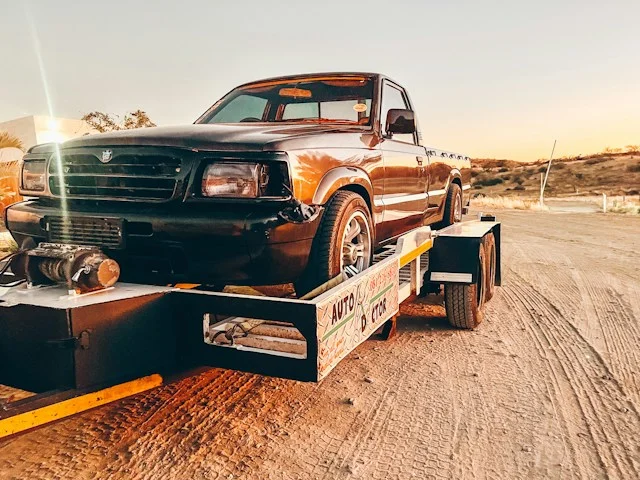
A vehicle breakdown can happen at any time. A car may stop working on the highway, a battery may lose power in a parking lot, or a flat tire may leave a driver stranded on a busy Chicago street. These situations can cause delays and create safety concerns, especially during late hours or bad weather. Having access to reliable roadside help can make the situation easier to manage.
Local vehicle recovery services provide drivers with towing, roadside assistance, accident recovery, jump-starts, tire changes, fuel delivery, and vehicle lockout assistance. Immediate Response Towing Chicago offers 24/7 emergency towing and roadside support across Chicago and nearby communities. Its services help drivers deal with common vehicle problems, arrange safe transportation, and get assistance when a car cannot continue its trip.
Whether a vehicle has stopped working on an expressway or needs transportation to a repair shop, professional towing operators can provide the required support. With round-the-clock availability, local drivers have access to assistance during weekdays, weekends, holidays, and overnight hours.
What Do Local Vehicle Recovery Services Include in Chicago?
Local vehicle recovery services include towing and roadside assistance for vehicles that cannot continue driving safely. These services cover mechanical breakdowns, flat tires, dead batteries, fuel shortages, lockouts, and accident-related vehicle removal.
Chicago has busy roads, residential streets, parking garages, and major expressways. A vehicle problem can happen in any of these places. Therefore, access to a local towing provider is useful for drivers who need help without arranging transportation from another city.
Immediate Response Towing Chicago provides several types of towing and roadside support. Drivers can request assistance based on the vehicle's condition and the problem at the location.
Which Roadside Problems Can Recovery Operators Handle?
Professional recovery operators handle several common vehicle problems. Some situations require a tow truck, while others can be resolved with roadside assistance.
Common service requests include:
- Vehicle breakdowns: Mechanical or electrical problems can prevent a car from starting or moving.
- Flat tires: Roadside operators can help replace a damaged tire with a usable spare.
- Dead batteries: A jump-start may help a vehicle start again when its battery has lost power.
- Vehicle lockouts: Lockout assistance can help when keys are left inside a locked car.
- Fuel shortages: Fuel delivery can help drivers who run out of gasoline.
- Accident recovery: Towing operators can arrange transportation for vehicles damaged in collisions.
- Winch-out assistance: Recovery equipment can help move vehicles stuck in mud, snow, or other difficult areas.
However, not every problem needs a complete tow. For example, a vehicle with a dead battery may only need a jump-start. On the other hand, a car with major engine damage may require transportation to an automotive repair facility.
Why Is Local Towing Assistance Useful?
A local towing company can dispatch operators within its service area and provide assistance based on the vehicle's location. This can reduce the need to contact providers from outside the Chicago area.
Local vehicle recovery services also support drivers who need transportation to nearby destinations, such as:
- Automotive repair shops
- Vehicle dealerships
- Residential addresses
- Approved vehicle storage facilities
- Other requested destinations
The exact service depends on vehicle condition, equipment availability, distance, and the requested destination.
Immediate Response Towing Chicago advertises 24/7 emergency assistance, local operators, and an average response time of 15–30 minutes. Actual arrival times can vary according to traffic, weather, distance, and current service demand.
How Does 24/7 Emergency Towing Work in Chicago?
24/7 emergency towing provides vehicle transportation when a car, SUV, or other vehicle cannot safely continue driving. Drivers can contact a towing provider at any hour to request help with breakdowns, accidents, or other vehicle problems.
Chicago traffic conditions can change throughout the day. Morning and evening rush hours often create delays, while nighttime driving may bring reduced visibility and colder temperatures. Because vehicle problems do not follow a fixed schedule, round-the-clock towing availability is useful.
Immediate Response Towing Chicago provides emergency towing throughout Chicago and surrounding areas. The company offers a contact number for drivers who need assistance.
What Happens After Requesting Emergency Towing?
The towing process generally follows a few basic steps. Providing accurate information during the first call helps the dispatcher arrange the correct equipment.
1. Contact the towing company
The first step is to contact the dispatch team and explain the problem. Drivers should provide their current location and a short description of the vehicle issue.
2. Share vehicle information
The dispatcher may ask for details such as:
- Vehicle make and model
- Vehicle year
- Vehicle type
- Current location
- Nature of the problem
- Requested destination
This information helps the operator select a suitable truck and towing method.
3. Receive dispatch information
After reviewing the request, the dispatch team can arrange an available operator. Drivers should ask for an estimated arrival time and confirm the service price before proceeding.
4. Vehicle assessment
When the operator arrives, the vehicle condition and recovery requirements need to be checked. The operator can determine whether roadside assistance or complete towing is appropriate.
5. Vehicle loading and transportation
If towing is required, the operator secures the vehicle using suitable equipment. The vehicle can then be transported to the agreed destination.
When Should a Driver Request an Emergency Tow?
A driver should request towing when a vehicle is unsafe to operate or cannot move because of mechanical damage.
Common examples include:
- An engine that overheats repeatedly
- Severe transmission problems
- A vehicle that stops after an accident
- Brake system problems
- A damaged wheel or suspension
- A vehicle that will not start after roadside checks
Drivers should avoid continuing to operate a vehicle when warning signs indicate a serious mechanical problem.
If a vehicle stops on a busy road, move to a safe location when possible, activate hazard lights, and stay away from moving traffic. If the situation involves injuries, fire, or immediate danger, contact 911 before arranging ordinary towing.
Which Roadside Assistance Services Are Available for Chicago Drivers?
Roadside assistance covers vehicle problems that may not require transportation to another location. A service operator can visit the vehicle and provide help with certain minor issues.
Immediate Response Towing Chicago lists jump-start assistance, fuel delivery, lockout service, and flat-tire assistance among its roadside offerings. These services help drivers address common problems without automatically arranging a full tow.
Can a Jump-Start Fix a Dead Car Battery?
Yes. A jump-start can help start a vehicle when its battery has insufficient power, provided the battery and electrical system are suitable for this procedure.
A weak battery can result from several causes. Leaving headlights on, extended periods without driving, extreme temperatures, and an aging battery can all contribute to battery problems.
During a jump-start request, an operator uses suitable equipment to provide the power needed to start the vehicle. However, a jump-start does not repair a damaged battery or alternator.
If the vehicle starts but loses power again, further inspection may be necessary. A mechanic can test the battery, alternator, and electrical connections to identify the problem.
What Happens During Flat Tire and Lockout Assistance?
Flat-tire assistance helps drivers who cannot safely continue because of a damaged tire. If a usable spare tire is available, an operator may help replace the damaged tire.
However, some tire problems require additional attention. A damaged wheel, missing spare, or multiple flat tires may make towing a better option.
Vehicle lockouts are another common roadside problem. Drivers sometimes leave their keys inside a locked vehicle or lose access to their keys.
A professional lockout operator can use suitable tools and methods to help regain vehicle access. Vehicle ownership or authorization may need to be confirmed before assistance begins.
Is Fuel Delivery Available During a Roadside Emergency?
Fuel delivery can help when a vehicle runs out of gasoline before reaching a fuel station. Instead of arranging a tow immediately, a driver can request roadside fuel assistance.
The operator brings fuel to the reported location, subject to service availability and applicable conditions. The amount and type of fuel should be confirmed during the service request.
Drivers should provide the vehicle's location and fuel requirements when contacting the provider. This helps the dispatch team understand the request before sending an operator.
How Does Vehicle Recovery Help After an Accident or Breakdown?
Vehicle recovery helps move damaged, disabled, or stuck vehicles from locations where driving is unsafe or impossible. Depending on the situation, the process may involve towing, winching, or specialized recovery equipment.
Chicago has several major transportation routes, including I-90, I-94, and I-290. These roads carry large volumes of traffic, so a disabled vehicle can create additional safety concerns.
Immediate Response Towing Chicago offers emergency towing and vehicle recovery for drivers across the city and nearby communities.
What Should Drivers Do After a Road Accident?
Safety should come before arranging vehicle transportation. Drivers involved in an accident should first check for injuries and contact emergency services when necessary.
The following steps can help:
- Move away from traffic if it is safe to do so.
- Turn on the vehicle's hazard lights.
- Contact 911 if anyone is injured or immediate danger exists.
- Follow instructions from emergency responders.
- Exchange relevant information with other involved parties.
- Contact an insurance provider when appropriate.
- Arrange towing if the vehicle cannot be driven safely.
Drivers should not attempt to move a heavily damaged vehicle without checking whether it is safe to do so.
Why Is Proper Towing Equipment Important?
Different vehicles and recovery situations require different equipment. Selecting the correct towing method helps reduce the risk of additional vehicle damage during loading and transportation.
Common towing equipment includes:
- Flatbed tow trucks: These trucks carry the entire vehicle on a raised platform.
- Wheel-lift tow trucks: These use lifting equipment to raise selected wheels from the road.
- Winch systems: These help pull vehicles out of difficult positions.
- Recovery straps and securement equipment: These help operators manage certain recovery tasks.
Flatbed towing is often suitable for damaged vehicles and cars that need all four wheels off the road. However, the correct method depends on vehicle specifications, drivetrain requirements, and its current condition.
Professional operators assess these details before selecting the equipment. Drivers should also mention whether a vehicle has special requirements, such as all-wheel drive or low ground clearance.
Where Does Immediate Response Towing Chicago Provide Local Assistance?
Immediate Response Towing Chicago serves Chicago and nearby communities with towing and roadside assistance. Its service information lists Chicago, Evanston, Skokie, Cicero, Oak Lawn, and other surrounding locations.
Access to a local provider can help drivers request assistance from different parts of the metropolitan area. However, service availability and arrival times depend on the operator's location and current workload.
Which Chicago Neighborhoods Can Drivers Request Assistance From?
Chicago includes many residential, commercial, and industrial areas. Vehicle problems can occur in parking lots, residential streets, business districts, and major road corridors.
Drivers may request service from areas such as:
- The Loop
- Lincoln Park
- Lakeview
- River North
- West Loop
- South Loop
- Logan Square
- Wicker Park
- Humboldt Park
- Hyde Park
- Uptown
- Albany Park
The company's service coverage includes Chicago and nearby suburbs. Drivers should confirm their exact pickup location with the dispatch team before arranging assistance.
Does the Company Serve Nearby Chicago Suburbs?
Yes. The company's website lists several communities outside Chicago as part of its service coverage.
These include:
| Area | Nearby communities |
|---|---|
| Northwest suburbs | Skokie, Niles, Des Plaines |
| West suburbs | Cicero, Berwyn, Oak Park |
| North suburbs | Evanston, Lincolnwood |
| Southwest suburbs | Oak Lawn, Burbank, Bridgeview |
| Northwest communities | Norridge, Harwood Heights, Rosemont |
Coverage can depend on the type of vehicle, requested service, and operator availability.
For this reason, drivers should share their complete location rather than only mentioning a nearby suburb. A street name, intersection, business address, or GPS location can help the dispatch team identify the correct pickup point.
What Should Drivers Check Before Choosing a Towing Company?
Drivers should check service availability, pricing, equipment, insurance information, and estimated arrival time before confirming a towing request. These details help prevent misunderstandings during an emergency.
Although quick assistance matters, the towing provider must also understand the vehicle's requirements. A suitable truck and trained operator can help manage the transportation process safely.
How Can Drivers Confirm Towing Prices?
Towing prices can depend on several factors. There is no single rate that applies to every vehicle and recovery situation.
Common pricing factors include:
- Base service or dispatch fee
- Distance between pickup and destination
- Vehicle size and weight
- Flatbed or wheel-lift requirements
- Accident recovery requirements
- Winching or additional labor
- Time and location of the request
Drivers should request a price estimate before the service begins. They should also ask whether additional mileage, equipment, or waiting charges may apply.
Immediate Response Towing Chicago advertises upfront pricing and no hidden fees on its website. Customers should confirm the specific charges for their service request directly with the company.
Why Should Equipment and Operator Experience Matter?
A towing operator needs to understand vehicle loading, securement, and transportation procedures. Different vehicles require different handling methods.
For example, a standard sedan may have different towing requirements from an electric vehicle or an all-wheel-drive SUV. Using an unsuitable towing method can cause mechanical or body damage.
Before confirming a request, drivers can ask:
- What type of tow truck will arrive?
- Is the equipment suitable for the vehicle?
- Is the operator qualified for the requested recovery?
- Does the company carry appropriate insurance?
- Where will the vehicle be transported?
These questions help drivers understand the service before the vehicle is moved.
Why Is Clear Communication Important?
Clear communication helps the dispatcher and operator understand the problem before arriving.
Drivers should explain whether the vehicle is blocking traffic, has suffered collision damage, or is stuck in a difficult location. They should also mention any special access restrictions, such as a low parking garage or narrow driveway.
Accurate details can help the company arrange suitable equipment and provide a more realistic arrival estimate.
How Can Drivers Request Local Vehicle Recovery Services From Immediate Response Towing Chicago?
Drivers can request Local vehicle recovery services by contacting Immediate Response Towing Chicago through its published contact details. The company advertises 24/7 emergency towing and roadside assistance for Chicago and surrounding areas.
When making a request, it helps to have the vehicle details and pickup location ready. This allows the dispatch team to understand the situation and discuss the available service.
What Information Should Be Ready Before Calling?
Before contacting the company, prepare the following information:
- Exact vehicle location
- Vehicle make, model, and year
- Description of the problem
- Whether the vehicle can move
- Type of assistance required
- Preferred towing destination, if applicable
If the vehicle is on a highway or another busy road, mention the direction of travel and nearest exit or landmark. This can help the operator locate the vehicle.
How Can Drivers Contact the Company?
Drivers can use the following published contact information to request assistance.
- Business: Immediate Response Towing Chicago
- Phone: (872) 713-6299
- Address: 4930 W Fullerton Ave, Unit 2, Chicago, IL 60639
- Availability: 24/7 emergency service
- Website: https://immediateresponsetowingchicago.com/
The company lists towing, jump-starts, fuel delivery, lockout assistance, and flat-tire services among its offerings.
Drivers can contact the dispatch team to confirm availability, estimated arrival time, and service charges before confirming a request.
Having access to Local vehicle recovery services gives Chicago drivers another option when unexpected vehicle problems interrupt their plans. With towing and roadside assistance available around the clock, Immediate Response Towing Chicago provides support for common roadside emergencies across the city and nearby communities.
Frequently Asked Questions
1. What Are Local Vehicle Recovery Services?
Local vehicle recovery services include towing, roadside assistance, and vehicle transportation for drivers experiencing breakdowns or emergencies. These services can cover flat tires, dead batteries, fuel shortages, lockouts, accident damage, and vehicles stuck in difficult locations. A local operator can visit the reported location and determine whether roadside assistance or towing is required. The service may also include transportation to a repair shop, dealership, or another agreed destination. Availability depends on the provider's service area, equipment, and current workload.
2. Does Immediate Response Towing Chicago Offer 24/7 Towing?
Yes. Immediate Response Towing Chicago advertises 24/7 emergency towing and roadside assistance. Drivers can contact the company during the day, overnight, on weekends, and on holidays to request help. Available services include vehicle towing, jump-starts, fuel delivery, flat-tire assistance, and lockout support. However, individual service availability may depend on the vehicle type, location, and operator availability. Drivers should contact the dispatch team to confirm the estimated arrival time and applicable charges.
3. How Long Does It Take for a Tow Truck to Arrive in Chicago?
The arrival time depends on traffic, weather, pickup location, and the number of active service requests. Immediate Response Towing Chicago advertises an average response time of 15–30 minutes. However, this figure should not be treated as a guaranteed arrival time for every request. Expressway traffic, severe weather, and distant pickup locations can increase waiting times. Drivers should provide an accurate location and ask the dispatcher for an estimated arrival time when booking assistance.
4. Can a Towing Company Help With a Dead Battery?
Yes. Many towing companies offer roadside jump-start assistance for vehicles with weak or discharged batteries. A suitable jump-start can provide enough power to start the engine when the battery and electrical system are in suitable condition. However, it does not repair a damaged battery or faulty alternator. If the vehicle fails to start after the service, further inspection may be necessary. Drivers should tell the operator about any battery warning lights or previous starting problems before assistance begins.
5. Does Immediate Response Towing Chicago Provide Flat-Tire Assistance?
Yes. Flat-tire assistance is among the roadside services listed by Immediate Response Towing Chicago. An operator may help replace a damaged tire with a usable spare when conditions allow. However, the availability of this service depends on the vehicle and tire condition. If there is no spare tire, the wheel is damaged, or the vehicle cannot be moved safely, towing may be required. Drivers should mention the tire problem and whether a spare is available when requesting assistance.
6. Can a Towing Company Transport a Vehicle After an Accident?
Yes. Accident-related towing can transport a damaged vehicle to an agreed repair shop, dealership, or another suitable destination. The correct towing equipment depends on the vehicle's condition and the type of damage. For example, a flatbed may be suitable when a car has damaged wheels or cannot safely roll. Drivers should first check for injuries and contact emergency services when necessary. After emergency responders address the scene, towing can help remove the disabled vehicle from the road.
7. What Areas Does Immediate Response Towing Chicago Serve?
Immediate Response Towing Chicago lists Chicago and surrounding communities within its service area. Its website mentions locations such as Evanston, Skokie, Cicero, Oak Lawn, and other nearby areas. Within Chicago, drivers can request assistance from neighborhoods including the Loop, Lakeview, Lincoln Park, Logan Square, and Hyde Park. Actual availability can vary according to location and service requirements. Customers should provide their exact pickup address to confirm whether an operator can reach the vehicle.
8. How Much Does Emergency Towing Cost in Chicago?
Emergency towing costs depend on the vehicle type, towing distance, equipment, and recovery requirements. A standard vehicle tow may have different charges from flatbed transportation or winch-out recovery. Additional costs may apply for longer distances, special equipment, or extra labor. Drivers should request a price estimate before confirming the service. Immediate Response Towing Chicago advertises upfront pricing and no hidden fees. Contacting the company directly is the best way to confirm the current cost for a particular towing request.
9. Can a Towing Company Move a Vehicle That Will Not Start?
Yes. A towing operator can transport a vehicle that cannot start because of mechanical, electrical, or engine problems. Depending on the vehicle, a flatbed or another suitable towing method may be used. Before dispatch, the operator may ask about the vehicle's make, model, location, and condition. Drivers should also mention whether the steering or wheels are damaged. These details help the company select appropriate equipment and arrange transportation to the requested destination.
10. What Information Is Needed When Requesting Roadside Assistance?
Drivers should provide their exact location, vehicle make and model, and a clear explanation of the problem. They should also mention whether the vehicle is blocking traffic, has suffered accident damage, or is parked in a restricted area. If towing is necessary, sharing the preferred destination can help the dispatcher prepare an estimate. A nearby landmark or GPS location may also help the operator find the vehicle. Providing accurate information at the beginning can reduce confusion during the service request.
Contact Us
-
Phone(872)-713-6299
-
Address4930 W Fullerton Ave Unit 2, Chicago, IL 60639
-
Availability24/7 emergency service